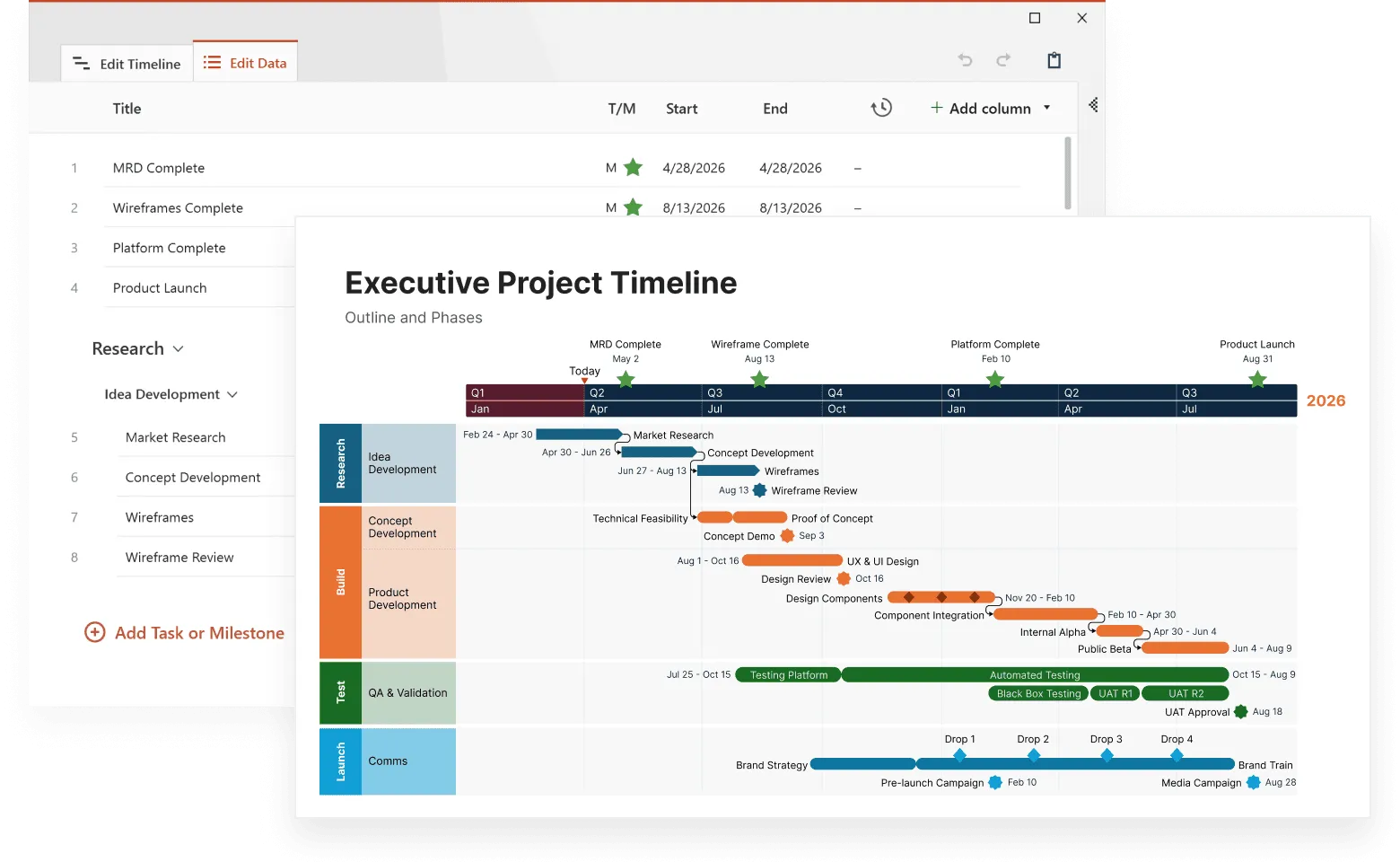
Ever wonder why we shake hands when we meet someone? Or how pizza became popular worldwide? Culture surrounds us every day - from the coffee you drink to the music you listen to. These seemingly simple things have fascinating stories that span centuries. A cultural history timeline reveals these hidden connections and shows how human practices traveled across continents and evolved over time. This article explains how to create effective cultural timelines that make thousands of years of human development easy to understand and explore.
Cultural timelines gain even greater meaning when viewed alongside historical timelines. Together, they show how cultural shifts align with major events, revealing how innovations, beliefs, and traditions both shaped and were shaped by the course of history.
How cultural timelines bring history to life
When you look at human history, it's easy to get lost in all the dates and events. Cultural timelines solve this problem by organizing complex information into simple, visual formats that anyone can understand. Instead of reading pages of text about different civilizations, you can see at a glance when agriculture started, when writing was invented, or when major religions began.
The human culture timeline spans roughly 300,000 years, from early humans in Africa to today's global society. During this time, people developed tools, languages, art, and social systems that still influence us today. A well-made timeline shows these developments in order, making it easier to understand how one innovation led to another.
How human culture began
Did you know that Africa is the cradle of humanity? Human culture started around 300,000 years ago in Africa. Anatomically modern humans (Homo sapiens) learned to make stone tools and sharp points for hunting. What made this special wasn't just the tools themselves, but how they taught these skills to their children. This knowledge sharing became the foundation for all human culture.
Around 70,000 years ago, groups of humans left Africa and spread to other continents. As they moved to Europe, Asia, and the Americas, they faced new challenges. Cold weather meant creating warmer clothing. Different animals required new hunting methods. Each place demanded new solutions, which led to diverse cultures around the world.
These early migrations followed predictable patterns. People moved along coastlines and rivers where they could find food and fresh water. Archaeological evidence shows that stone tool techniques developed in Africa appeared in modified forms across different continents. This proves that cultural knowledge traveled with moving populations.
The shift from hunting and gathering to farming around 10,000 years ago changed everything. Agriculture allowed people to stay in one place, grow more food, and support larger populations. This led to the first permanent settlements and eventually to cities and complex societies.
Major cultural turning points
Several key moments in the human cultural evolution timeline changed how societies developed. The invention of writing around 3200 BCE allowed people to record information and pass it down accurately. This meant knowledge could accumulate faster than ever before.
The Bronze Age (3300-1200 BCE) brought new tools and weapons, plus increased trade between distant regions. People began specializing in different crafts and trading their products. This created the first complex economies and social hierarchies.
Around 800-200 BCE, a period called the Axial Age saw the rise of major philosophical and religious systems. Thinkers like Confucius in China and Socrates in Greece developed ideas about ethics and governance that still influence us today. Buddhism, Judaism, and other major religions also emerged during this time.
Classical empires like Rome and Han China (roughly 500 BCE to 500 CE) spread their cultures across vast territories through trade and conquest. The Roman Road system and the Silk Road connected distant civilizations and allowed unprecedented cultural exchange.
Medieval to modern transformations
The medieval period (roughly 500-1500 CE) saw the rise of Islam, which preserved and expanded on classical knowledge while spreading across Africa, Asia, and Europe. Islamic scholars made advances in mathematics, medicine, and astronomy that later influenced the Renaissance.
The Renaissance (1400s-1600s) marked a rebirth of learning and creativity in Europe. People rediscovered classical Greek and Roman texts and began thinking differently about human potential. This period produced breakthrough discoveries in science and art that shaped the modern world.
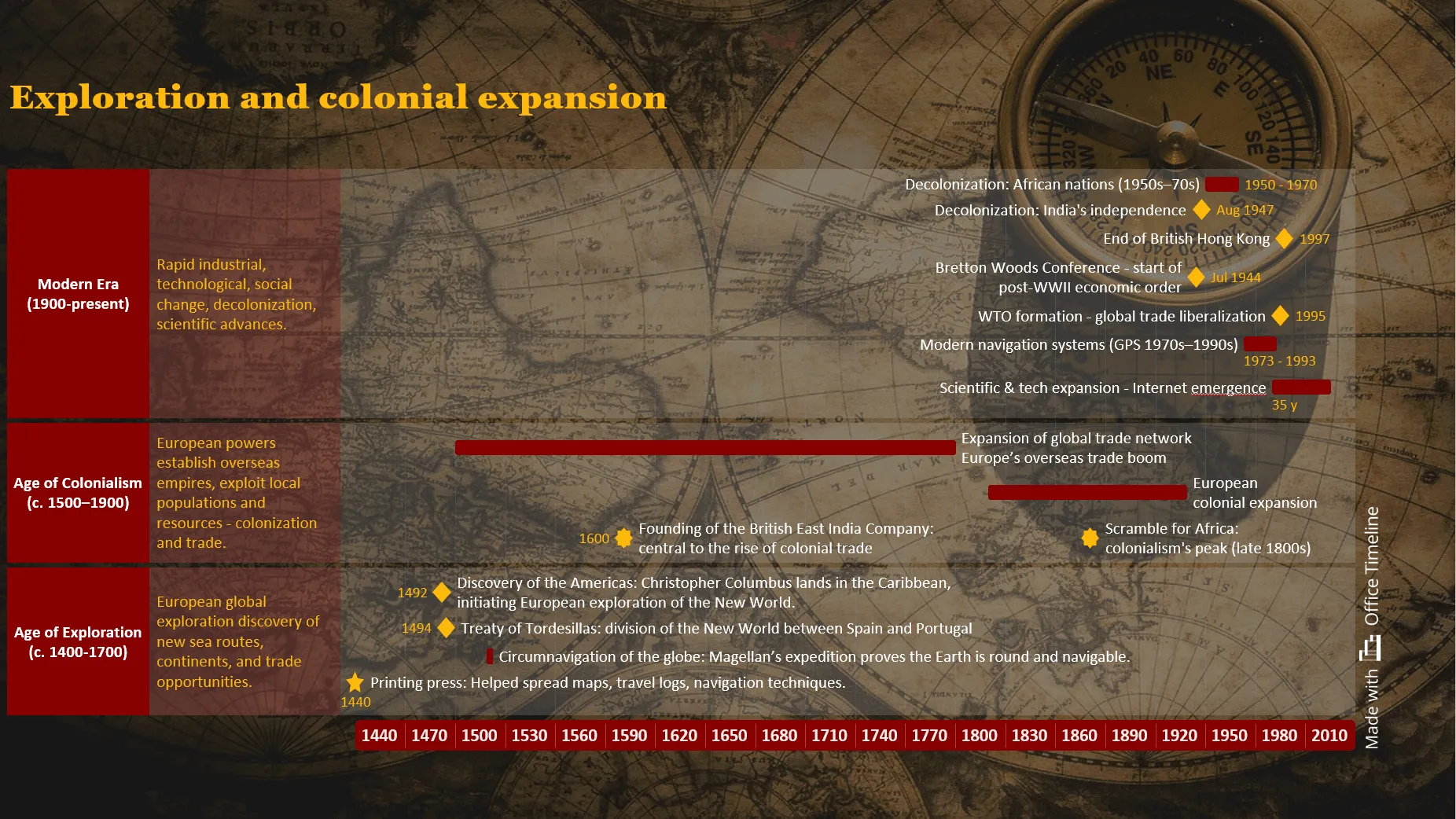
Colonialism from the 1500s onward forced different cultures into contact, often violently. European expansion displaced indigenous populations and created new mixed cultures, especially in the Americas. The transatlantic slave trade brought African cultures to the New World, creating unique blends of traditions.
The Industrial Revolution (1700s-1800s) moved people from farms to cities and changed how work was organized. This period saw rapid technological advancement and the beginning of mass communication, which spread cultural trends faster than ever before.
Why cultural timelines matter
Creating a cultural history timeline helps us understand patterns in human development. You can see how innovations spread from one society to another, how different cultures influenced each other, and how modern practices have ancient roots.
Timelines make complex history accessible. Instead of memorizing hundreds of dates and names, you can visualize the flow of cultural development. This helps whether you're studying history, planning a museum exhibit, or just trying to understand how your own culture developed.
For educators, cultural timelines provide clear frameworks for teaching about human civilization. Students can see connections between different time periods and understand cause-and-effect relationships in cultural development.
Businesses and organizations use cultural timelines to understand their heritage or explain their development over time. A company might create a timeline showing how their industry's culture has evolved, or a community group might trace the history of local traditions.
Present cultural history clearly
Try Office Timeline for free. Build polished timeline visuals perfect for exhibits, presentations, or community history projects.
Building effective cultural timelines
When creating a cultural timeline, focus on major turning points rather than trying to include every detail. Start with broad categories like technology, religion, art, and social organization, then add specific examples that illustrate each category.
Use clear, simple language and avoid jargon. A good timeline should be understandable to people who aren't historians or cultural experts. Include visual elements like images, colors, and icons to make the information more engaging and easier to remember.
Consider your audience when choosing what to include. A timeline for elementary students will focus on different events than one for business professionals or museum visitors. The key is selecting information that's relevant and interesting to your viewers.
Make connections between different cultural developments explicit. Show how the invention of writing influenced religious practices, or how trade routes spread artistic styles. These connections help people understand culture as an interconnected system rather than isolated events.
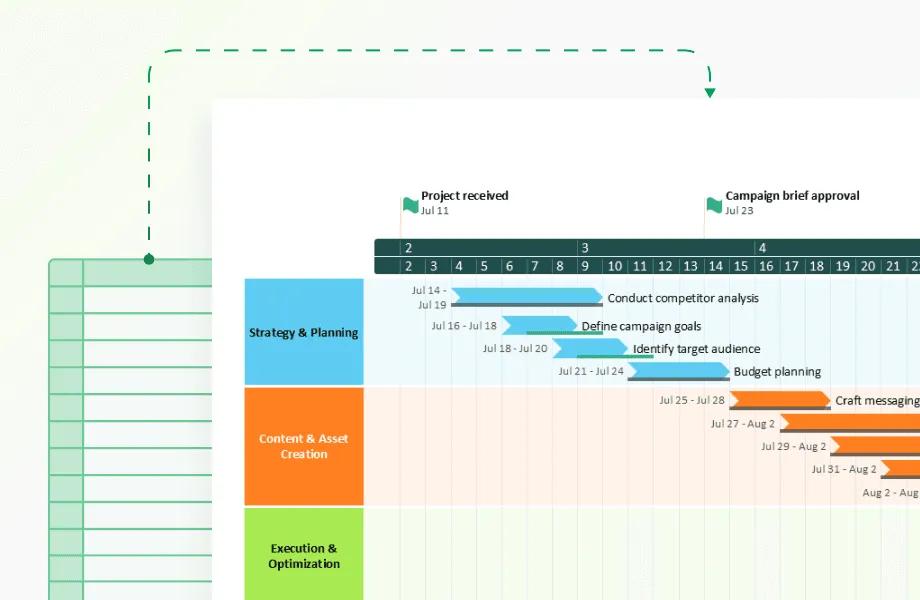
Modern timeline tools make it easy to create professional-looking cultural timelines without design expertise. Office Timeline, for example, offers specialized features for historical content that help you organize cultural information clearly and present it in an engaging visual format. These timeline maker platforms often include templates specifically designed for historical projects, making it simple to build comprehensive cultural timelines that capture thousands of years of human development.
Whether you're creating a simple timeline for a school project or a detailed cultural history for professional use, the right tools can transform complex historical information into clear, compelling visual stories.
Cultural change hasn't stopped - it's happening faster than ever. Social media created new ways to communicate. Streaming services changed how we consume entertainment. Remote work is reshaping office culture. These developments will appear on future cultural timelines, showing how quickly human societies adapt and evolve.
Frequently asked questions about cultural history timelines
Here are some of the most common questions people ask when starting to create a cultural history timeline:
A cultural history timeline organizes major cultural developments in chronological order, showing how human societies have changed over time. It includes developments in technology, art, religion, social organization, and other aspects of human culture.
Cultural timelines make complex historical information easy to understand by organizing it visually. They help people see patterns, connections, and cause-and-effect relationships in cultural development that might not be obvious from reading text alone.
Focus on major turning points like the development of agriculture, writing systems, major religions, technological innovations, and social movements. Include events that had lasting impact on how people lived and organized their societies.
Most cultural timelines start around 300,000 years ago with early humans in Africa, though you can adjust this based on your needs. For classroom use, you might start with the development of agriculture around 10,000 years ago.
Many online platforms offer timeline creation tools with templates for historical content. These tools typically allow you to add text, images, and organize information chronologically without needing design skills.
Office Timeline offers specialized templates for historical projects and works directly in PowerPoint, making it easy to create professional cultural timelines. Other popular options include Canva (free templates with drag-and-drop editing), Timeline JS (free web-based tool), and Lucidchart (good for collaborative projects). Most of these platforms let you add images, dates, and descriptions without any design experience.