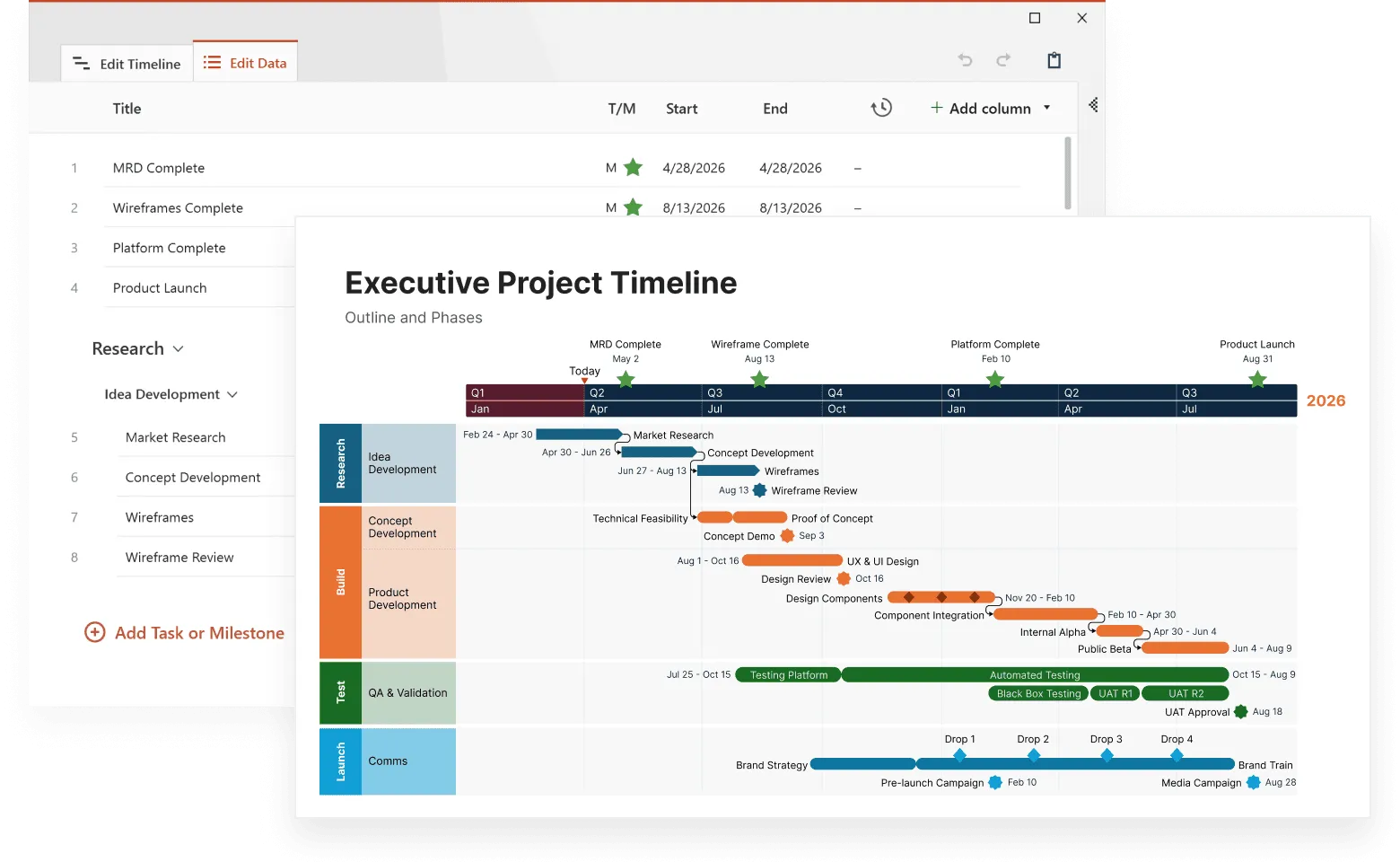
When did the first cities appear? Which came first, Egyptian pyramids or Chinese writing? Why did multiple civilizations collapse around 1200 BCE? Without a timeline, ancient history becomes a confusing jumble of disconnected events scattered across millennia. An ancient history timeline puts this chaos in order, revealing surprising connections between distant civilizations and showing how a Sumerian invention in 3000 BCE eventually influenced your smartphone today.
Ancient civilizations didn't develop in isolation. Mesopotamians invented writing while Egyptians built pyramids. Greeks developed democracy as Romans expanded their empire. These societies traded ideas, fought wars, and built upon each other's innovations across thousands of years.
The progression from the Bronze Age to the Iron Age to Classical Antiquity represents more than just technological advancement. Each era brought new ways of organizing society, governing people, and understanding the world.
In this guide, we'll explore how these ancient societies emerged, thrived, and sometimes collapsed, creating a connected story of human development that explains much about our modern world. You’ll also discover how historical timelines help make sense of this long arc of progress, turning thousands of years of human history into a clear, engaging narrative.
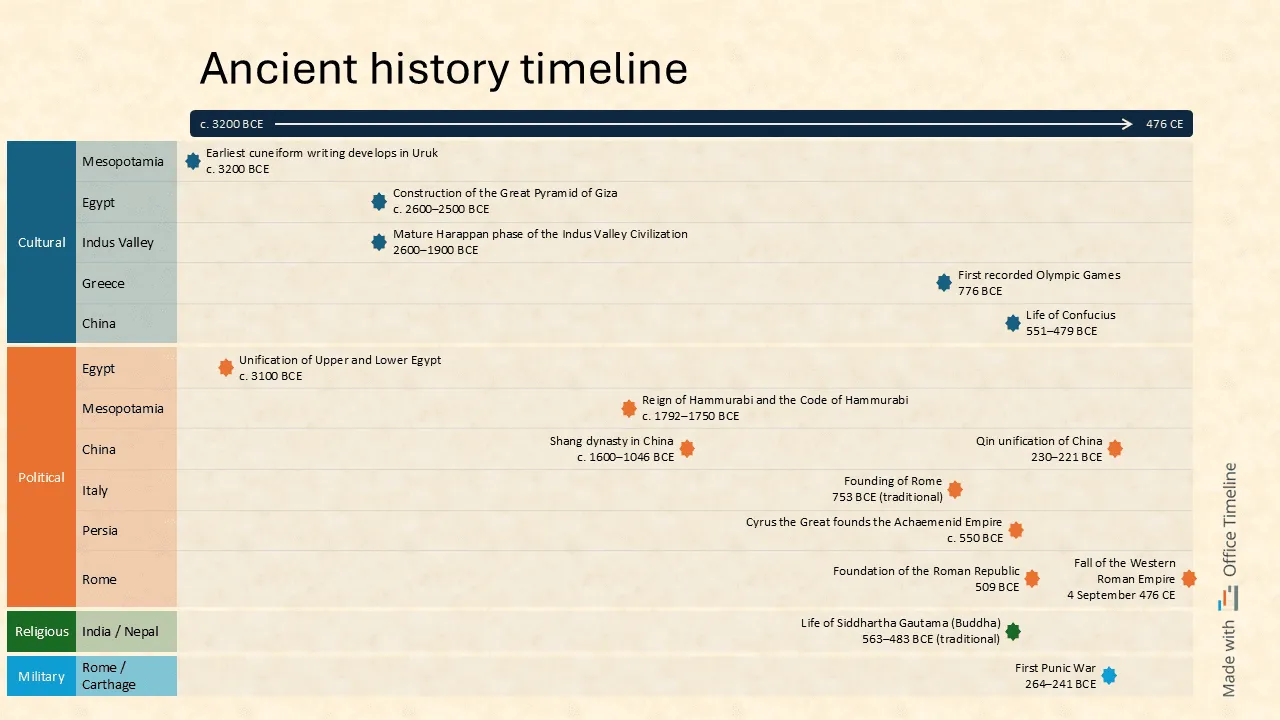
What ancient history timelines cover
Ancient history timelines span from humanity's first civilizations around 3500 BCE to the fall of the Western Roman Empire in 476 CE. That's roughly 4,000 years of human development, innovation, and cultural exchange mapped out chronologically.
These timelines track humanity's transition from small farming communities to vast empires. Writing systems emerged in Mesopotamia around 3200 BCE. The first cities appeared along major rivers like the Nile, Euphrates, and Indus. Bronze-working revolutionized tools and weapons around 3000 BCE, followed by iron-working around 1200 BCE.
Timeline creators typically organize this vast period into three major eras:
- Bronze Age (3300-1200 BCE) - Early civilizations, first cities, invention of writing
- Iron Age (1200-500 BCE) - Advanced metalworking, rise of major empires, alphabet development
- Classical Antiquity (500 BCE-500 CE) - Greek philosophy, Roman expansion, early Christianity
Each civilization contributed something unique that appears on every comprehensive timeline. Mesopotamians created the first legal codes. Egyptians mastered monumental architecture and mummification. Greeks developed rational thinking and democratic government. Romans built engineering marvels and legal systems that influence us today.
These societies didn't exist in isolation, and timelines reveal their interconnections. Trade routes connected distant civilizations. The Silk Road linked China to the Mediterranean. Phoenician traders spread their alphabet across the ancient world. Military conquests mixed cultures and spread technologies across continents.
Ancient history timelines matter because they show us how human societies formed, how governments developed, and how ideas spread across continents. The languages we speak, the laws we follow, and the religions many practice all have roots in these ancient civilizations that timeline analysis helps us understand.
How timelines reveal connections between ancient civilizations
Ancient civilizations didn't develop in isolation, and timelines reveal these connections through specific examples. The Bronze Age collapse around 1200 BCE destroyed the Mycenaean palaces in Greece, ended the Hittite Empire in Turkey, and weakened Egyptian power - all within the same century. Trade routes carried more than goods: Phoenician merchants spread their alphabet from Lebanon to Spain, while Buddhist ideas traveled the Silk Road from India to China.
Timelines help us see concrete patterns across millennia. The agricultural revolution around 10,000 BCE in the Fertile Crescent led to permanent settlements like Jericho by 8000 BCE, which grew into the first cities like Ur by 3500 BCE, which created cuneiform writing by 3200 BCE to manage complex trade and government. The Roman road system built on Persian highways, which improved on Assyrian routes - each civilization literally building on the infrastructure of its predecessors.
But these connections only make sense when we understand where it all began. Looking at the timeline of the earliest civilizations shows how humanity first made the leap from small farming villages to complex urban societies.
The first civilizations: where human society began
Around 3500 BCE, something remarkable happened across different parts of the world. Small farming communities began growing into complex societies with cities, governments, and specialized workers. Ancient history timelines show these early civilizations didn't all develop in the same way, but each contributed innovations that would shape human history for thousands of years.
Mesopotamia: The birthplace of cities and writing
Mesopotamia, located between the Tigris and Euphrates rivers in modern-day Iraq, earned its title as the cradle of civilization. The Sumerians who lived there created the world's first cities around 3500 BCE. They invented cuneiform writing - wedge-shaped marks pressed into clay tablets that recorded everything from business deals to epic stories like Gilgamesh.
This Sumerian breakthrough around 3000 BCE - breaking down complex ideas into simple, reusable symbols - established the fundamental principle behind all communication technology. Today's smartphones operate on the same concept: converting thoughts into standardized symbols (letters, numbers, emojis) that can be stored, transmitted, and decoded by others anywhere in the world.
The Sumerians also gave us the wheel, the sailboat, and the first known legal codes. Around 2334 BCE, the Akkadian Empire under Sargon the Great conquered the Sumerian city-states, creating one of history's first multi-ethnic empires and spreading Mesopotamian innovations across a much larger territory.
Norte Chico: Civilization without writing
While Mesopotamians were building cities in the Middle East, people in Peru were developing their own complex society. The Norte Chico civilization (3500-1800 BCE) built massive pyramid complexes along Peru's coast without developing any written language.
This civilization proves that writing wasn't required for sophisticated urban planning. They organized thousands of workers to build monumental architecture and established trade networks that reached into the Amazon rainforest.
Jiahu culture: China's early innovations
China's timeline of ancient civilizations begins with the Jiahu people around 7000 BCE in the Yellow River valley. They created some of humanity's oldest musical instruments - bone flutes that could play complex melodies. They also figured out how to make alcoholic beverages from rice, honey, and fruit.
These contributions might seem small, but music and ceremonial drinks became central to Chinese culture for millennia, influencing everything from religious ceremonies to imperial courts.
Indus Valley: Master city planners
The Indus Valley civilization (2600-1900 BCE) built some of the ancient world's most advanced cities in what's now Pakistan and India. Harappa and Mohenjo-daro featured grid-pattern streets, sophisticated drainage systems, and standardized brick sizes across the entire civilization.
Their urban planning was so advanced that it wouldn't be matched in many parts of the world for thousands of years. Unlike other early civilizations, archaeologists have found no evidence of warfare - no weapons caches, fortifications, or battle damage in their cities.
How timelines reveal early civilization patterns
Looking at these civilizations on a timeline reveals fascinating patterns. Most emerged during the same general period (3500-3000 BCE) but in completely different parts of the world - Mesopotamia, Peru, the Indus Valley, and China. This suggests humans were ready for this leap in social organization wherever conditions were right.
These conditions usually included major rivers for water, fertile soil, and transportation. The Nile supported Egypt, the Tigris and Euphrates supported Mesopotamia, the Indus River supported the Harappan civilization, and the Yellow River supported early Chinese culture.
Each civilization solved similar problems - how to organize large groups of people, record information, specialize labor, and govern cities - but they found different solutions. The result was a diverse foundation for all future human societies.
How ancient civilizations shaped our modern world
Ancient history timelines reveal how these early societies created the fundamental systems of modern life - from writing and law to government and engineering. Each innovation built upon previous developments in a clear chronological progression that connects directly to our daily experiences.
Every time you use an alphabet, live under democratic government, or drive on a paved road, you're experiencing innovations that stretch back thousands of years. The influence of ancient civilizations reaches far beyond museum displays into the core structures of contemporary society.
Looking at specific civilizations shows exactly how these connections developed over time.
Egypt's lasting monuments and ideas
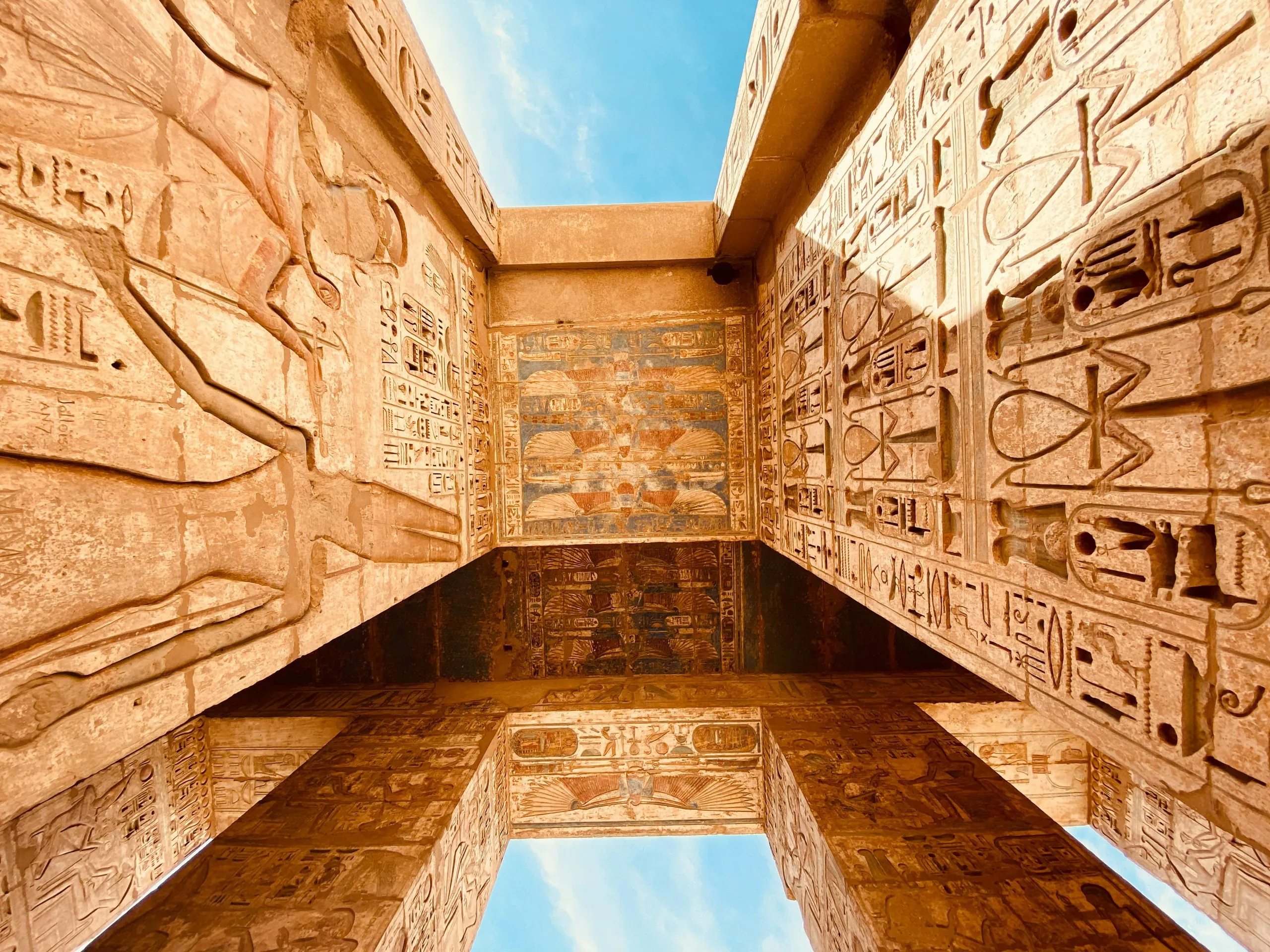
Ancient Egypt's legacy goes deeper than impressive pyramids and golden treasures. The Egyptians developed one of the world's first centralized governments, creating administrative systems that managed resources across hundreds of miles of the Nile Valley. Their hieroglyphic writing preserved not just royal propaganda, but medical texts, mathematical problems, and stories that give us windows into daily life 4,000 years ago.
Egyptian architecture influenced building design for millennia. The columns, obelisks, and monumental scale of Egyptian temples appear in everything from the Washington Monument to government buildings across Europe and America. Even their approach to preserving the dead - mummification - advanced early understanding of human anatomy and medicine.
Rome's legal and engineering foundations

Roman civilization created the legal framework that still governs much of the world. Concepts like "innocent until proven guilty," the right to legal representation, and written contracts all trace back to Roman law. When modern courts cite legal precedent, they're using a Roman innovation.
Roman engineering achievements remain impressive even by today's standards. The Pantheon in Rome, built around 125 CE, still has the world's largest unreinforced concrete dome. Roman roads were so well-built that many still form the basis for modern European highways. Their aqueduct systems supplied fresh water to cities of over a million people - an achievement not matched again until the industrial age.
Greece's democratic experiment
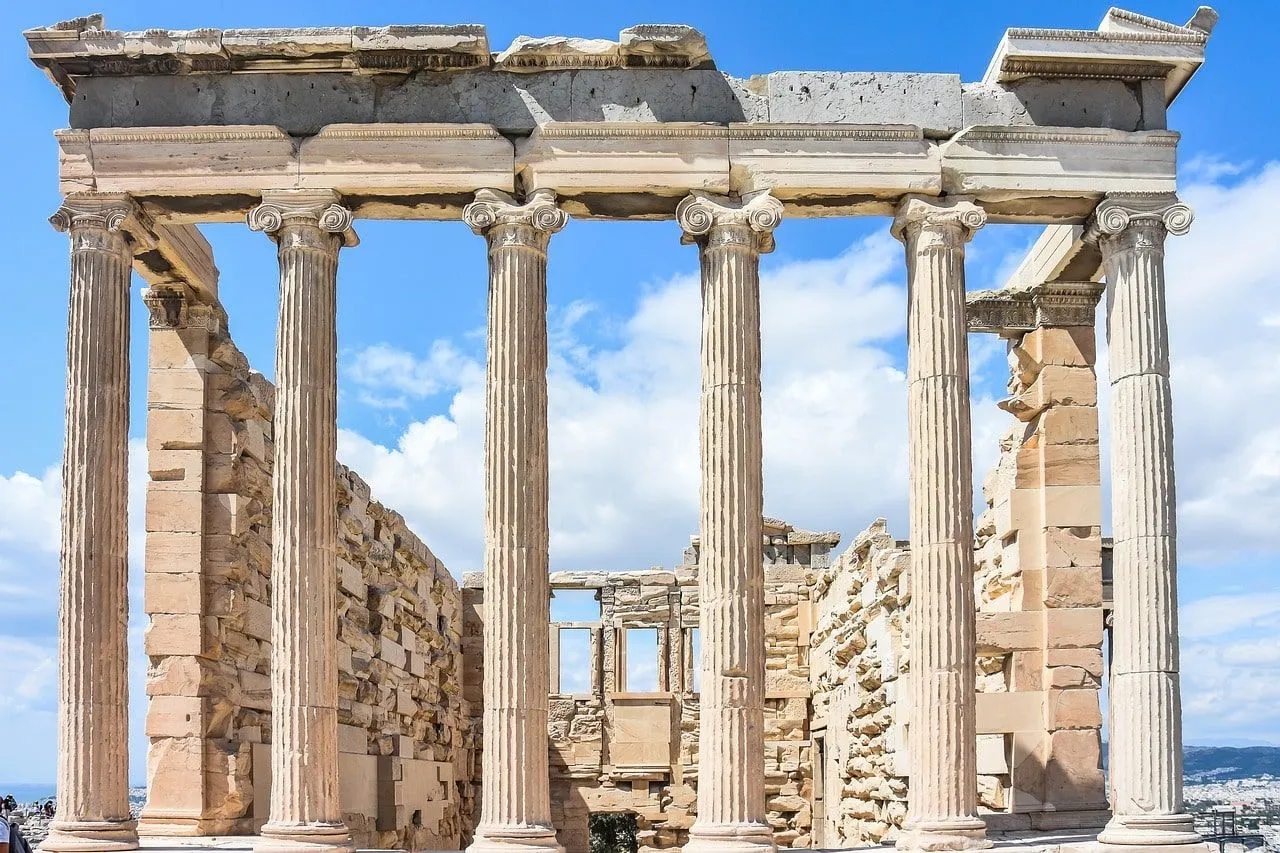
Ancient Greece gave us the word "democracy" and the idea that ordinary citizens could participate in government. While Athenian democracy was limited to male citizens, it established principles that would later evolve into modern democratic systems.
Greek philosophy shaped how we think about ethics, logic, and the natural world. Aristotle's scientific method still influences research today. Plato's political theories appear in discussions about justice and governance. Even Greek theater - with its exploration of human nature and moral dilemmas - established dramatic forms we still use.
The Indus Valley's urban planning legacy
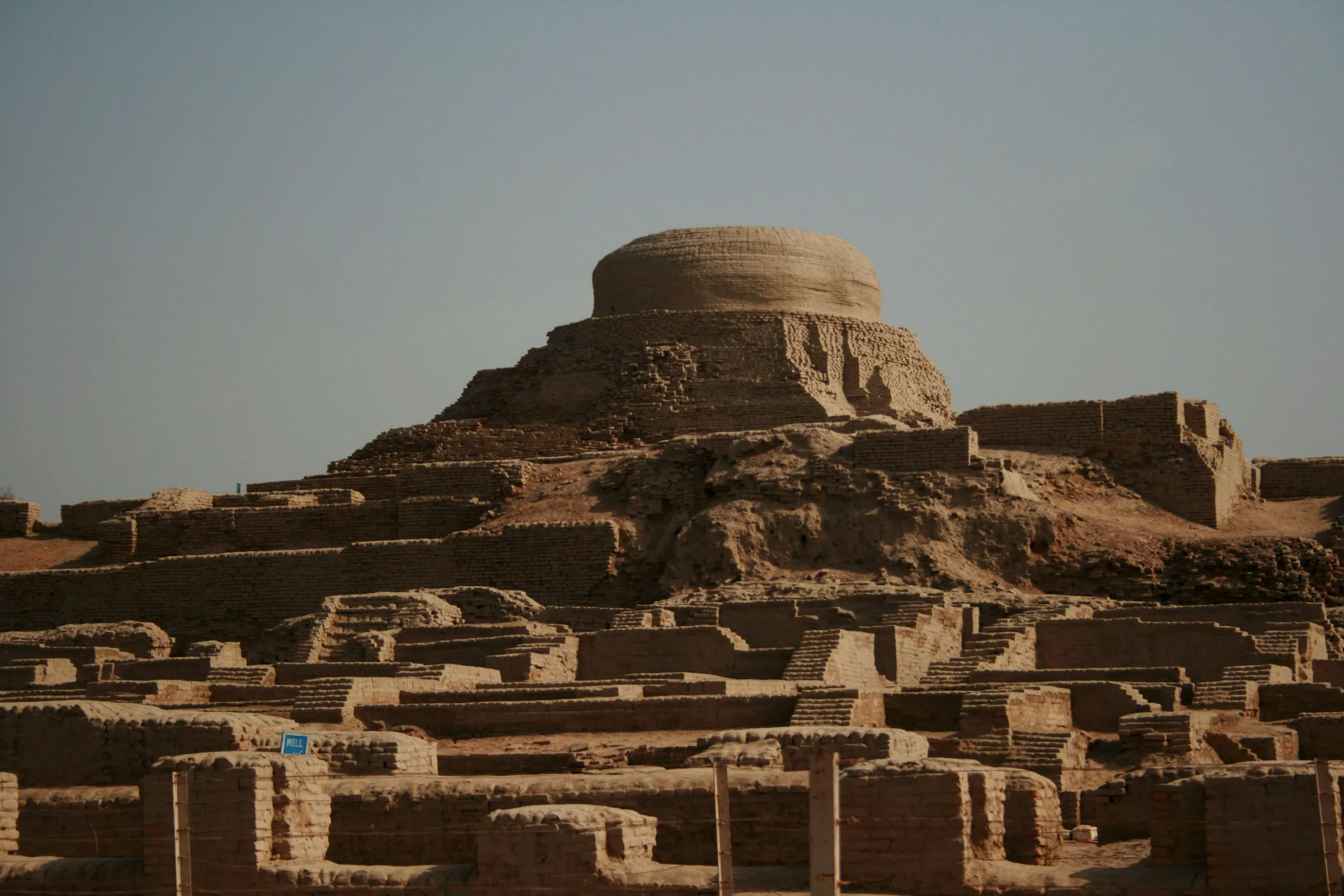
The Indus Valley civilization's approach to city planning was remarkably modern. Their cities had covered drains, public toilets, and standardized building materials - urban innovations that didn't appear in European cities until much later.
More importantly, their civilization seems to have functioned without the massive wealth inequality seen in other ancient societies. Archaeologists have found no palaces or temples that dwarf ordinary houses, suggesting a more egalitarian approach to urban life that continues to influence city planning discussions today.
How timelines show continuous influence
Looking at these civilizations on ancient world timelines reveals something important: their innovations didn't disappear when the civilizations fell. Instead, ideas spread through trade, conquest, and cultural exchange.
The alphabet traveled from Phoenician traders to Greeks to Romans to modern languages. Democratic ideas moved from Greek city-states to Roman republicanism to Enlightenment philosophy to modern constitutions. Engineering techniques passed from civilization to civilization, each building on previous knowledge.
Understanding these connections helps explain why studying ancient history matters. These weren't isolated societies that lived and died in the distant past. They were part of a continuous thread of human development that connects directly to our modern world. Their successes and failures, innovations and limitations, all contribute to the foundation we build on today.
Ancient innovations in today's world
Walk into any courtroom, use a smartphone, or vote in an election, and you're interacting with innovations that began thousands of years ago. Ancient civilizations didn't just build monuments - they created systems of thinking, organizing, and problem-solving that form the backbone of modern society.
From clay tablets to global communication
The timeline of human civilization shows writing as one of the most transformative inventions. Mesopotamian cuneiform, Egyptian hieroglyphs, and the Greek alphabet weren't just ways to record information - they were technologies that allowed knowledge to travel across time and space.
Today's internet operates on the same basic principle the Sumerians discovered 5,000 years ago: complex ideas can be broken down into simple symbols that others can decode. Whether it's cuneiform pressed into clay or digital code transmitted through fiber optic cables, the concept remains the same.
Social media platforms like X/Twitter use character limits that would be familiar to ancient scribes who had to fit important information onto small clay tablets. The abbreviations and symbols we use in text messages echo the shorthand systems developed by Egyptian and Chinese scribes.
Government systems that endure
Modern governments blend innovations from multiple ancient civilizations. The U.S. Constitution draws heavily on Roman republican ideas - the Senate, checks and balances, and the concept of representative government all have Roman precedents. The idea that citizens should participate in political decisions comes from Greek democracy.
China's civil service system, where government jobs go to people who pass standardized tests rather than those with family connections, originated during the Han Dynasty around 200 BCE. This merit-based approach to government hiring spread across the world and remains standard practice in most modern democracies.
Even authoritarian governments use administrative techniques developed by ancient empires. The Roman system of provinces with appointed governors became the template for colonial administration and still influences how large countries organize regional government.
Legal foundations we live by
Roman law created principles that govern daily life worldwide. The idea that contracts must be honored, that people are innocent until proven guilty, and that legal proceedings should follow established procedures all originated in Roman courts.
Modern property law, including concepts like ownership, inheritance, and mortgage, traces directly back to Roman legal codes. When you sign a lease or buy a house, you're using legal concepts developed 2,000 years ago in the Roman Forum.
Science and philosophy in action
Greek philosophers created methods of logical thinking that remain central to science, mathematics, and decision-making. Aristotle's approach to categorizing information underlies everything from biological classification systems to computer databases.
The scientific method - forming hypotheses, testing them systematically, and drawing conclusions from evidence - began with Greek natural philosophers who insisted that the world could be understood through observation and reasoning rather than just religious belief.
Chinese innovations like the compass, gunpowder, and paper fundamentally changed human civilization. GPS navigation systems are direct descendants of the magnetic compass. Modern chemistry builds on techniques first developed by Chinese alchemists. Digital publishing relies on paper-making principles invented in China.
Ancient timelines, modern patterns
Studying ancient history timelines reveals patterns that continue today. Civilizations that invested in education, infrastructure, and trade networks tended to prosper and influence their neighbors. Those that became isolated or stopped innovating often declined.
These patterns help explain modern economic and political developments. Countries that invest in education and technology, maintain good infrastructure, and engage in international trade tend to thrive - the same formula that worked for ancient Rome, China, and the Islamic Golden Age.
The collapse of ancient civilizations also offers lessons. Environmental degradation contributed to the fall of several Mesopotamian cities. Political corruption weakened late Roman government. Economic inequality destabilized various ancient societies. Understanding these historical patterns helps modern societies recognize and address similar challenges.
Ancient civilizations created more than impressive ruins - they developed the fundamental tools humans use to organize complex societies. Every time we use written language, participate in government, or apply logical thinking to solve problems, we're building on foundations laid thousands of years ago.
Creating your own ancient history timeline
Building your own timeline helps you understand how ancient civilizations connected and influenced each other. Whether you're a student, teacher, or history enthusiast, creating a visual timeline transforms scattered historical facts into a coherent story that's easier to remember and analyze.
Step 1: Start with the big picture
Begin by mapping out major periods on your timeline of ancient civilizations. Use these standard divisions as your framework:
- Prehistoric Era (before 3500 BCE) - Early human development, agriculture.
- Bronze Age (3500-1200 BCE) - First cities, writing systems, early empires.
- Iron Age (1200-500 BCE) - Advanced metallurgy, major empires, alphabet development.
- Classical Period (500 BCE-500 CE) - Greek philosophy, Roman expansion, world religions.
This structure gives you anchor points for placing specific events and civilizations. You can then add details within each period, showing how different societies developed simultaneously across the globe.
Step 2: Choose the right tools for your timeline
The right timeline tool can make the difference between a confusing jumble of dates and a clear, engaging historical narrative. Your choice depends on your technical comfort level, budget, and whether you need to collaborate with others or present to an audience.
Free digital options:
- Timeline JS - Creates interactive timelines using Google Sheets;
- Office Timeline Free - PowerPoint add-in with basic timeline features;
- Tiki-Toki - Offers 3D timeline views with multimedia integration;
- Preceden - Simple interface, good for educational use;
- Canva - Templates for creating visual timelines with graphics.
The free digital timeline makers are perfect for students, teachers, and casual users who want professional-looking results without upfront costs. These tools offer good functionality but may have limitations like watermarks, restricted features, or advertising.
Professional tools:
- Office Timeline Expert - Advanced PowerPoint add-in for polished, presentation-ready timelines;
- Adobe Timeline - Professional design capabilities;
- Lucidchart - Collaborative timeline creation;
- Microsoft Project - Complex project timeline features.
Professional paid tools are ideal for business presentations, academic research, or complex projects requiring advanced features and customization. These tools provide superior design control and collaboration features but require subscription fees and often have steeper learning curves.
Physical timeline creation:
- long rolls of paper for wall displays,
- index cards arranged chronologically,
- string timelines with hanging event cards.
The physical timelines best for hands-on learning environments, classrooms, or when you want to create large-scale displays. Physical timelines encourage tactile interaction and group participation but are harder to modify and share digitally.
Present history with clarity
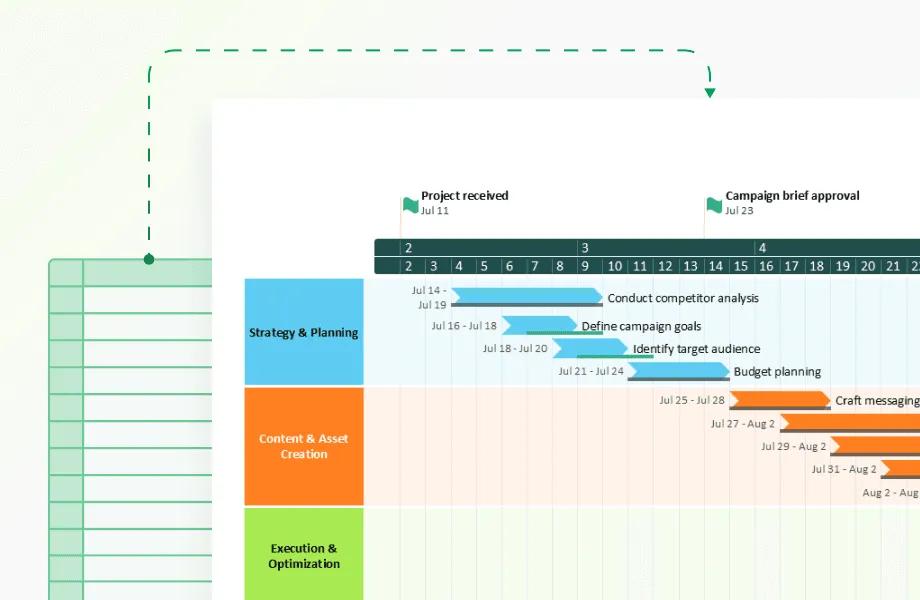
Try Office Timeline for free. Turn ancient events and dates into clean, presentation-ready visuals that make your narrative easy to follow.
What to include on your timeline
Focus on events that show connections between civilizations rather than isolated incidents. Include:
- Political milestones: Formation of first governments, major conquests, empire formations
- Technological breakthroughs: Invention of writing, metallurgy advances, agricultural innovations
- Cultural developments: Religious movements, philosophical schools, artistic achievements
- Trade connections: Establishment of trade routes, cultural exchanges, economic networks
For example, instead of just noting "Pyramids built in Egypt," show how pyramid construction coincided with urban development in the Indus Valley and the rise of Sumerian city-states.
Design and visualization strategies
A timeline filled only with text and dates quickly becomes boring and hard to follow. Adding visual elements and interactive features transforms your ancient history timeline into an engaging learning tool that helps viewers understand connections between civilizations and remember important events.
Add multimedia elements:
- Maps showing territorial changes over time
- Images of artifacts from different periods
- Links to primary sources like ancient texts
- Audio clips of reconstructed ancient music
Use color coding:
- Different colors for different civilizations
- Consistent colors for types of events (red for wars, blue for innovations)
- Gradient colors to show cultural transitions
Show relationships: Use arrows, lines, or additional visual connections to demonstrate how events in one civilization influenced others.
Tips for effective timeline creation
Creating a useful timeline requires balancing detail with clarity, accuracy with engagement. These guidelines help you avoid common pitfalls that can make timelines confusing or overwhelming rather than helpful.
- Keep it manageable: Start with major events and add details gradually. A timeline with too much information becomes overwhelming.
- Include context: Add brief explanations of why events mattered, not just when they happened.
- Verify sources: Use reputable academic sources and cross-reference dates, as different sources sometimes provide conflicting information.
- Regular updates: Ancient history research continues to evolve. Archaeological discoveries sometimes change our understanding of dates and relationships.
Creating your own ancient history timeline transforms passive reading into active learning. You'll start noticing patterns - how trade routes spread technology, how climate changes affected multiple civilizations simultaneously, and how ideas evolved as they moved between cultures. This deeper understanding makes ancient history more relevant and memorable, showing how these distant civilizations created the foundation for our modern world.
Educational applications of ancient history timelines
Ancient history timelines work differently depending on whether you're teaching, studying alone, or working with classmates. The key is picking the right approach for your situation and learning goals.
Classroom timeline strategies
- Wall timelines get students involved instead of just listening to lectures. Put up a long piece of paper covering 4000 BCE to 500 CE along one wall. As you study different civilizations, students add events using colored cards or sticky notes. By the end of the semester, you'll have a visual map showing how Egypt, Greece, Rome, and other civilizations connected to each other.
- Digital group projects work well for online classes. Give each student group a civilization to research - one team handles Mesopotamia, another takes ancient China, a third covers the Indus Valley. Using Office Timeline or similar tools, groups add their findings to a shared class timeline. Everyone learns about all civilizations while becoming experts on one.
- Timeline races make review sessions more engaging. Call out historical events and have students run to the correct spot on your wall timeline. Or give teams mixed-up event cards and see who can arrange them in the right order fastest.
Study strategies for students
- Personal study timelines help organize information for tests. Instead of trying to memorize random facts, create focused timelines around themes like "How Writing Developed" or "Major Ancient Inventions." You'll start seeing patterns that make facts easier to remember.
- Comparison charts work well for understanding different civilizations. Make parallel timelines showing how Egypt and Mesopotamia both developed around the same time but solved problems differently. This helps you understand what made each civilization unique.
- Study group timelines combine different students' strengths. One person might be good at finding dates, another at explaining why events mattered, and a third at making visual connections. Working together creates better timelines than anyone could make alone.
Creative timeline projects
- Mystery timeline games turn research into detective work. Teachers give you unlabeled events, artifacts, or inventions and challenge you to figure out when they happened and which civilization created them. You'll learn to recognize patterns and make logical connections.
- Timeline presentations let you teach other students. Pick a civilization or time period, research it thoroughly, then present your findings using a visual timeline. Teaching others helps you understand the material better.
- Cross-subject connections show how ancient history relates to other classes. Work with science teachers to trace how ancient inventions led to modern technology, or connect with art classes to see how ancient styles influenced later periods.
Making timelines work for different learners
Some students learn better by seeing information, others by doing hands-on work, and others through discussion. Timeline projects can accommodate all these learning styles at once.
Visual learners benefit from the graphic organization of information. Hands-on learners enjoy physically arranging timeline elements. Students who learn through talking can discuss connections and debate which events were most important.
Assessment ideas go beyond memorizing dates. Teachers might ask you to explain why civilizations rose or fell based on timeline evidence, predict what might have happened if events occurred differently, or identify missing connections between cultures.
Working with timelines also builds practical skills. You learn to find reliable sources online, present information clearly, and support your ideas with evidence. These skills help in other classes and future jobs.
Digital skills develop naturally through timeline creation. You'll learn to evaluate websites, add multimedia elements effectively, and organize complex information. These technical skills become increasingly valuable in school and work.
The best part about timeline-based learning is that it sticks with you. When you actively build timelines and explore connections between ancient civilizations, you create a mental framework for understanding how the past connects to today. This foundation makes it easier to understand current events and see how modern problems often have ancient roots.
Timeline work also shows you that human progress has always been a team effort. No single civilization invented everything - ideas traveled along trade routes, conquerors spread technologies, and each culture built on what came before. Understanding these connections helps you see how we're all part of the same ongoing human story.
Understanding our shared human story
Ancient history timelines do more than organize dates and events - they reveal the continuous thread connecting our modern world to civilizations that flourished thousands of years ago. By mapping out how the Sumerians invented writing, how Greek democracy influenced Roman government, and how Chinese innovations spread across trade routes, we see that human progress has always been a collaborative effort across cultures and centuries.
Creating your own timeline transforms this understanding from abstract knowledge into personal insight. Whether you use digital tools like Timeline JS or Office Timeline, or sketch connections on paper, the act of organizing these events helps you recognize patterns that shaped human development. You'll notice how agricultural innovations led to cities, how cities led to writing systems, and how writing systems preserved knowledge that built the foundation for everything from modern law to scientific method.
This exploration of ancient civilizations through timelines offers both historical perspective and practical relevance. The challenges these societies faced - organizing large populations, managing resources, governing diverse groups, and adapting to change - mirror many issues we confront today. Understanding how ancient peoples solved these problems provides valuable context for approaching contemporary challenges.
In this guide, we've traced humanity's journey from the first cities in Mesopotamia to the classical achievements of Greece and Rome, showing how each civilization built upon previous innovations while contributing something unique to human knowledge. These timelines remind us that our modern world didn't emerge in isolation, but represents the accumulated wisdom, creativity, and persistence of countless generations who came before us.
Frequently asked questions about ancient history timelines
These frequently asked questions address the most common topics people search for when exploring ancient civilizations and creating historical timelines. Understanding these basics helps you build more comprehensive and accurate timelines of human development.
An ancient history timeline organizes major events, civilizations, and innovations from roughly 3000 BCE to 500 CE in chronological order. This time span reflects the emergence of writing and early states around 3000 BCE and ends with the fall of the Western Roman Empire in 476 CE, marking the transition to the medieval period in Europe. It shows how different societies developed simultaneously across the world.
These timelines help make sense of thousands of years of human development by revealing connections between civilizations through trade relationships, cultural exchange, military conquest, and shared technologies. Without timelines, ancient history becomes confusing scattered facts.
Mesopotamian civilization wins this title. The Sumerians around 3500 BCE created the first cities and developed cuneiform writing. They established many innovations we still use today.
But it's complicated. Other ancient societies emerged around the same time:
- Norte Chico civilization in Peru (3500 BCE);
- Early Indus Valley settlements (3300 BCE);
- Jiahu culture in China (7000 BCE for early developments).
This shows that complex societies developed independently in multiple locations when conditions were right.
Ancient history is typically divided into three major periods: the Bronze Age (3500-1200 BCE) when the first cities and writing systems emerged, the Iron Age (1200-500 BCE) marked by advanced metallurgy and major empires, and Classical Antiquity (500 BCE-500 CE) featuring Greek philosophy, Roman expansion, and the rise of world religions. Each period represents significant technological and social advances that built upon previous developments.
Ancient history divides into three major periods:
- Bronze Age (3500-1200 BCE) - First cities and writing systems emerged;
- Iron Age (1200-500 BCE) - Advanced metallurgy and major empires;
- Classical Antiquity (500 BCE-500 CE) - Greek philosophy, Roman expansion, world religions.
Each period represents significant technological and social advances. They built upon previous developments rather than starting from scratch.
Ancient Egypt developed around 3100 BCE when Upper and Lower Egypt unified under one ruler. This timing puts Egypt slightly later than Mesopotamia but contemporary with the Indus Valley civilization.
Egypt's remarkable feature? Longevity. Its timeline spans over 3,000 years, making it one of the longest-lasting ancient civilizations. Key periods include:
- Old Kingdom - Pyramid building era
- Middle Kingdom - Reunification and prosperity
- New Kingdom - Empire expansion and monumental construction
Most other civilizations lasted only a few centuries before major changes or collapse.
Ancient civilizations created the foundations of modern life through specific innovations that still influence us today.
Mesopotamians invented writing through their cuneiform script, created the wheel that revolutionized transportation, established the first legal codes, and developed early mathematics and astronomy.
Egyptians developed advanced architecture that produced the pyramids and created sophisticated administrative systems to manage their vast kingdom.
Greeks contributed democracy as a form of government, philosophical thinking that questioned how the world works, the scientific method for testing ideas, theater and drama, and the Olympic Games.
Romans created lasting legal frameworks that influence modern courts and mastered engineering techniques like roads and aqueducts that connected their empire.
Chinese civilization gave us paper for recording information, the compass for navigation, gunpowder that changed warfare forever, silk production, and early printing techniques.
The Indus Valley civilization pioneered urban planning with grid-pattern streets and advanced sanitation systems that weren't matched elsewhere for centuries.
Each innovation built on earlier discoveries and spread through trade and conquest, creating a connected web of human progress across the ancient world.
Start simple, then add complexity:
Step 1: Begin with major periods - Bronze Age, Iron Age, Classical as your framework.
Step 2: Add specific civilizations within each period.
Step 3: Include key events that show connections between societies
Research tips:
- Use reliable academic sources.
- Cross-reference dates (sources sometimes vary).
- Focus on connections rather than isolated events.
What to include:
- technological innovations,
- political developments,
- cultural achievements,
- trade relationships.
The goal is showing how societies influenced each other across time and geography, not just memorizing dates.